Both positive and negative life transitions increase relapse risk by disrupting routines, creating stress, and sometimes removing established support systems. Events like changing jobs, moving, relationship changes, or financial shifts can destabilize recovery temporarily. Our brains create strong associations between substances and the environments where we used them. These types of relapse triggers triggers create strong urges to use substances like alcohol, opioids, or stimulants, often before a person consciously recognizes it.
What to do when you experience stress

Healthy relationships can act as buffers against common relapse triggers such as stress, loneliness, and negative emotions. Engaging with supportive individuals can help identify these triggers, allowing for proactive strategies to be employed. Groups like Alcoholics Anonymous offer a platform for sharing experiences, reinforcing commitment to https://www.thomaspostma.nl/135-funny-ways-to-say-goodbye-to-friends-coworkers/ sobriety, and cultivating personal bonds that mitigate feelings of isolation. The importance of surrounding oneself with positive influences cannot be overstated; it creates an environment conducive to healing and sustainability in recovery. In the journey of addiction recovery, recognizing and managing triggers is a vital component to maintaining sobriety.
- Identifying these triggers while in treatment enables the patient to develop a strategy for coping with them before they are faced with them.
- Neither type is technically more dangerous, but emotional triggers can be particularly challenging because they’re internal, always present, and often harder to identify than external ones.
- Co-occurring conditions like depression, anxiety, trauma, and bipolar disorder significantly increase relapse vulnerability when left untreated.
- Implementing prevention techniques, such as avoiding high-risk situations, practicing mindfulness, and engaging in distracting activities, can help you resist the urge to relapse.
Recognizing Common Relapse Triggers
Self-care habits make great strategies for responding to or preventing drug and alcohol cravings. When you contact us, we carry out a short assessment to help us recommend addiction treatment that’s well matched to your precise needs. The longer you procrastinate on seeking treatment, the harder it will take to regain your recovery. If drugs and alcohol are available, you may promise to attend this event but that you will not drink. If this is the case, it’s worth taking a few days off work and learning some effective stress management techniques to help you better cope with your new responsibilities. Negative emotions are highly uncomfortable, and so using substances may offer a short term solution.
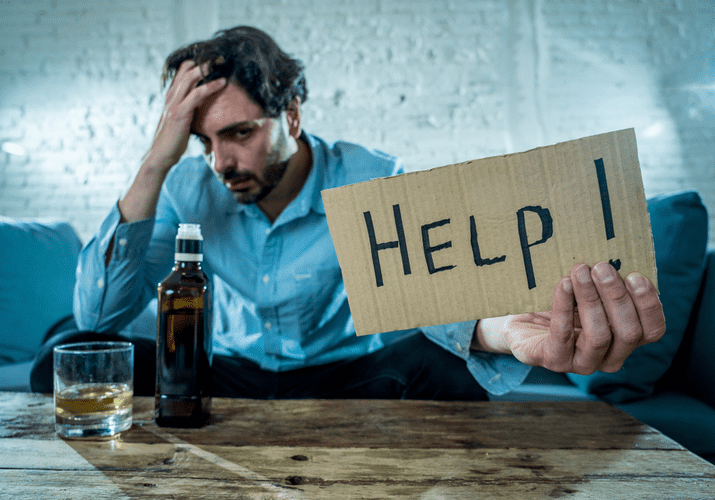
Reminiscing about or glamorising past drug use
Each phase requires different coping strategies to prevent slipping into substance use. Effective emotional regulation techniques linked to HALT might include mindfulness meditation, journaling, or physical activities like yoga. Recognizing when one of the states is off-balance can prompt early intervention. When individuals can articulate their feelings—be it fatigue or loneliness—they are more equipped to seek out positive alternatives, significantly reducing their risk of relapse. Some studies have indicated that mindfulness-based relapse prevention skills can be an effective way to deal with emotional triggers. A way to manage these external triggers is to have a support system of friends and family members who are encouraging and help you address challenges that come your way.
- At Recovery Guide, our mission is to connect as many individuals struggling with mental health and substance abuse disorders to reputable treatment facilities.
- The fast-acting and short-lived high encourages repeated use, which reinforces addictive patterns.
- The high relapse rate reflects how the brain rewires around anticipation and emotional relief, making it difficult to maintain abstinence in familiar or high-pressure environments.
- A stable routine can also help regulate your mood, energy, and motivation—especially during stressful or emotionally flat periods.
Celebrations, achievements, and feelings of happiness can create a dangerous sense that “just one” drink or drug use is deserved or can be controlled. This trigger becomes particularly dangerous when emotions intensify suddenly or when multiple complicated feelings coincide. The temporary relief substances once provided from these emotions create a powerful pull during emotionally vulnerable moments. According to the National Institute on Alcohol Use Disorder Drug Abuse, up to 40-60% of people who seek substance use disorder treatment will experience a relapse. Other internal triggers may include factors such as how safe the person feels in their environment or whether they feel judged, attacked, or invalidated. The environment can play a significant role in an individual’s recovery.